
Protect wildlife and landscape beauty of a sub tropical rainforest sample, generate conservation processes with the population in the Reserve area, in order to sustainably use resources such as chestnut trees and the landscape for recreation , and regional development.

The Tambopata National Reserve (RNTMB) is located south of the Madre de Dios River in the Tambopata and Inambari districts of the province of Tambopata, department of Madre de Dios; and its extension is 274 690.00 hectares. The presence of this important protected natural space seeks to conserve the flora, fauna and ecological processes of a sample of the tropical rainforest. Likewise, the RNT generates conservation processes that ensure the sustainable use of natural resources and landscape.
The Tambopata river basin has one of the highest rates of biological diversity in the world. The RNT is located in the middle and lower zone of this basin, next to the city of Puerto Maldonado. Among its most common ecosystems are the aguajales, the swamps, the pacal and the riverside forests, whose physical characteristics allow the local inhabitants to take advantage of the natural resources.
It is also located adjacent to the Bahuaja Sonene National Park that surrounds it entirely in the south, forming with it a protection unit of high importance for the country. The existing connectivity with the protected natural areas of the department (the Amarakaeri Communal Reserve and the Alto Purús and Manu national parks) and those of neighboring Bolivia, supports the existence of the proposed Vilcabamba – Amboró biological corridor.

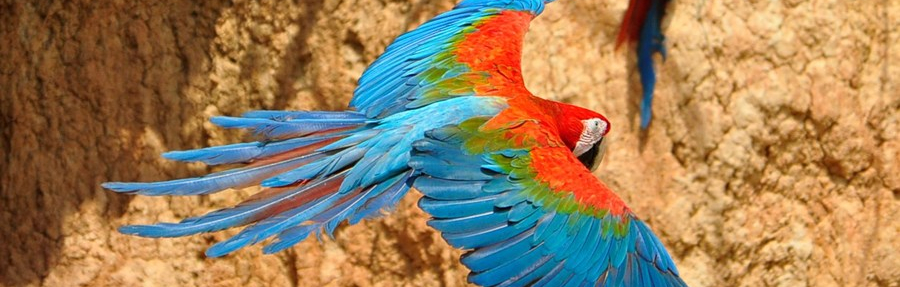
The RNTMB houses mainly aquatic habitats that are used as whereabouts of more than 40 species of transcontinental migratory birds. In the national reserve it protects important species considered endangered and offers tourism a privileged destination for observing the diversity of flora and fauna.
In the buffer zone are the native communities of Palma Real, Sonene and Infierno belonging to the Ese ’Eja ethno-linguistic group; and the Kotsimba native community of the Puquirieri ethno-linguistic group.

 vertigotravelperu.travel.blog