
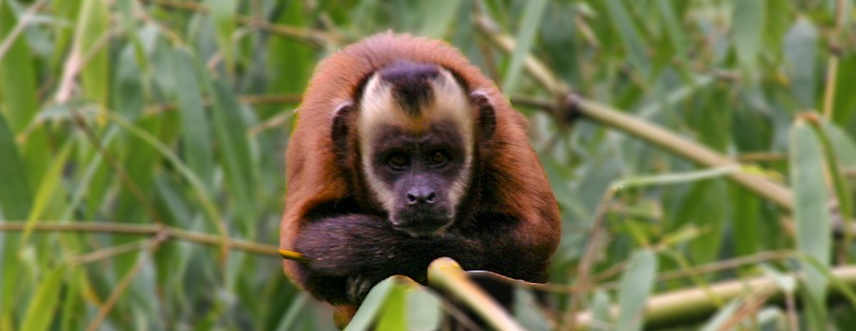
Torrential rains, scorching heat and hundreds of thousands of insects capable of clouding even thought await those who enter the virgin jungle of the Manu National Park, between Cusco and Madre de Dios. But there is also beauty, peace and invaluable information about what happens with our planet and how life, even in the wildest conditions, turns it around to failure and evolves.
MANU TOURS INFORMATION.

“When you study an animal or a plant, you see that there is no obstacle that will drive it back. Yes, there are predators, pests, but, without the intervention of man, everything comes to a balance. If we analyze this process and manage to reproduce it, can you imagine what we could do? ”Asks Patricia Álvarez-Loayza, an agronomist and biology doctor from the team of researchers at the Cocha Cashu Biological Station. Located in the middle of the park, where no tourist arrives, the station was founded in 1969, four years before the declaration of Manu as a national park.
Since then, thanks to the administration of the National Service of Protected Natural Areas (Sernanp) and the San Diego Zoo (since 2011), it has contributed more than a third of the scientific publications on tropical ecology in the world. The best known: animals spied by cameras ‘trap’.

 vertigotravelperu.travel.blog