
The Manu National Park is a protected natural space located in the southeast of Peru, located in the departments of Madre de Dios and Cusco, in the provinces of Manu and Paucartambo. With a territory of 1,532,806 hectares, it is divided into three large areas: the National Park, with 1,555,806 hectares; the Reserved Zone, with 257,000 hectares; and the Transitional or Cultural Zone, with 120,000 ha. It also has the classification as a Biosphere Reserve. MANU TOURS INFORMATION
It extends from 300 masl, at the confluence of the Manu river with the Madre de Dios river, to 3 800 masl at the summit of the Apu Kañajhuay mountain. Some researchers believe that in the virgin areas of this reserve is the Paititi or lost city of the Incas.

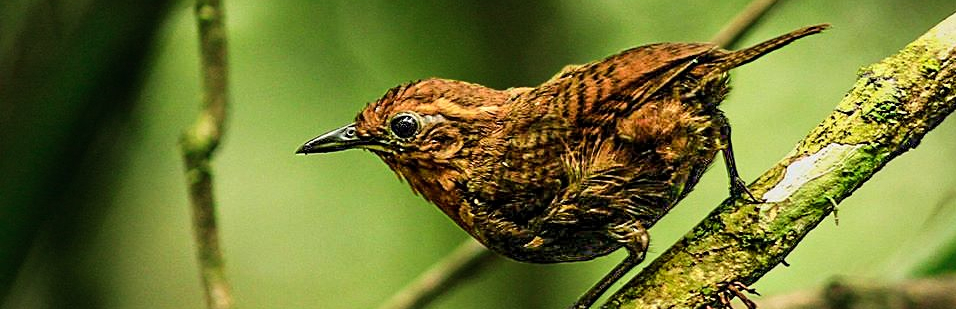
The Manu National Park (PNM), together with the diversity of ecosystems that go from the Andes to the Amazon Basin, is one of the protected areas with the greatest diversity of birds on earth. There are 1,025 species, which represent 25% of the birds in South America and more than 10% of the world’s birds, diversity that is explained by range of altitudes and habitats make Manu the best destination for bird watching of the world.
There are endemic species such as the lowland macaws, with species such as Ara ararauna, A. chloptera, A. macao, A. severa, A. manilata. The Manu River set the world record for the largest number of bird species seen during a day in one place with a staggering 331 species, recorded by Ted Parker and Scott Robinson. In a 10-14 day trip you can see more than 600 species of birds.
The clay licks (clay deposits) are riverside locations where many species of macaws and parrots gather to consume the clay in the morning (Manu is home to 27 species).
Flocks of mixed species of tangaras, furnáridos, anteaters, warblers and others move noisily through the forest canopy. The composition of these impressive bird congregations varies with altitude and habitat, and each flock features new species.
The relationship of the anteaters and the swarms of the warrior ants allows the birds to take advantage to feed on the flying insects.
The Cock-of-the-Rock leks and manakins are places where males display their bright colors to attract a mate.
On a routine visit to the Manu you can find other species such as the harpy eagle, agami heron, hoatzin and camungo. Anyway, anywhere and at any time of the day, Manu is surprising for all that it offers to the traveler.

 vertigotravelperu.travel.blog