200 million years ago dinosaurs and pterosaurs were the dominant reptiles on the planet. They were part of the group of archosaurs, to which crocodiles and alligators also belong, who are considered close relatives of these gigantic prehistoric reptiles. INFORMATION OF MANU TOURS:
Etiqueta: journeys manu
Manu National Park – MANU TOURS PERU
Located in the jungle of the departments of Cusco and Madre de Dios, the Manu National Park represents the greatest natural treasure in Peru, due to the number of species it houses and the diversity of ecosystems it protects. Manu is one of the few wild areas in the world where animals abound and live in a totally natural state.
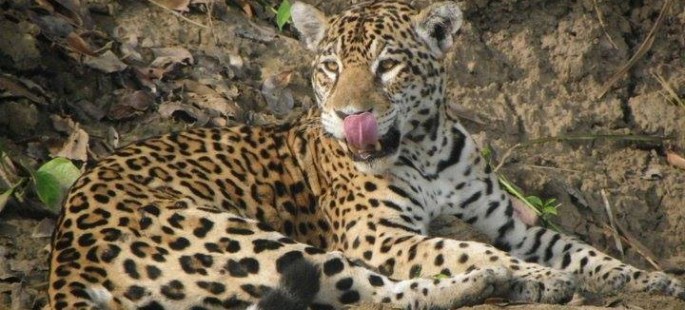
Sighting Otorongo in the Manu National Park
Among the natural wonders that the Manu National Park offers, a natural area protected by the State for 45 years and in 1987 declared a Natural World Heritage Site, its fauna stands out as one of its greatest exponents of otorongo or jaguar.
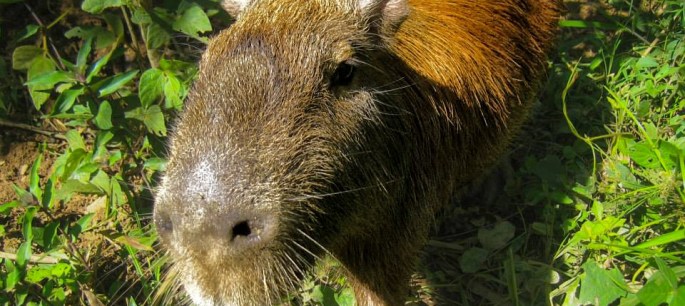
THE RONSOCON (Hydrochoerus hydrochaeris) the largest rodent in the world
The Ronsoco is the largest rodent, weighing from 35 to 66 kg and with a length of approximately 1.2 m. Females of this species are slightly larger than males. Its coat is thick and thin, and is reddish brown on most of the body,
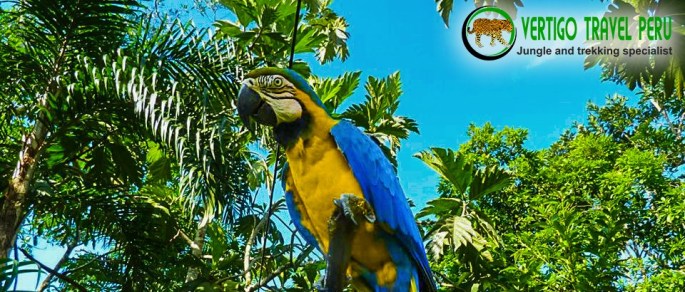
The yellow-blue macaw (Ara ararauna)
Also known as the blue-and-yellow macaw, yellow parrot, or yellow-billed paraba, is a species of psittaciform bird in the parrot family endemic to South America. MANU TOURS INFORMATION
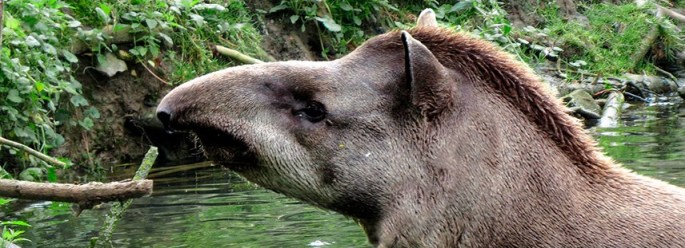
Andean Tapir in danger of extinction
The Andean tapir, also called mountain tapir, danta or pinchaque, is the smallest and perhaps the least studied of the two species present in Peru. It is distributed in the montane and moor forests of Colombia,
Wildlife Observation on the Manu Tour
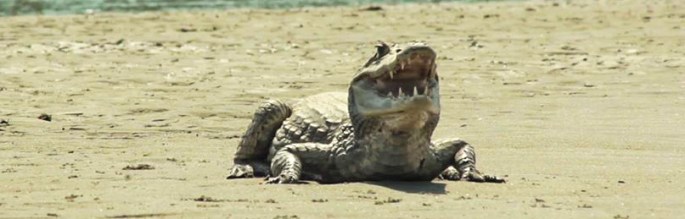
The PNM is home to a large number of wildlife species. There have been about 160 species of mammals, more than 1,000 species of birds (mostly residents), about 140 species of amphibians, 50 species of snakes, 40 lizards, 6 turtles, 3 alligators and 210 fish