
The Manu River is the place of the highest biological concentrations on the planet, with 19,098 km2, which is why Unesco named it a World Heritage Site of the Biosphere Reserve for more than 40 years.
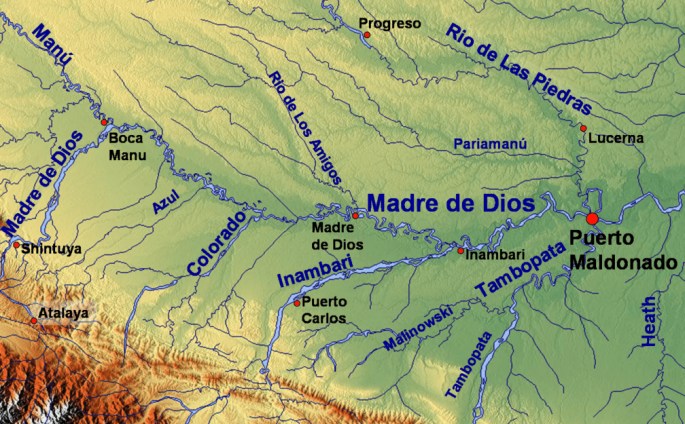
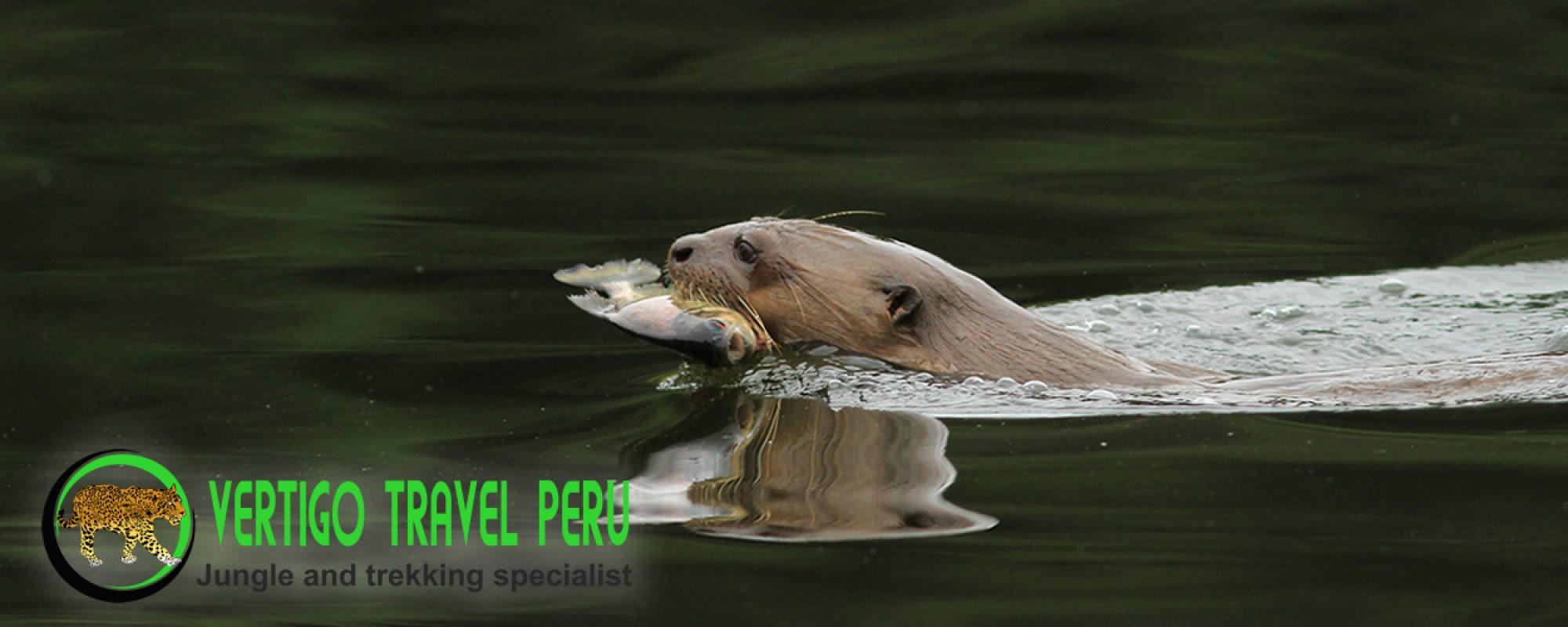
The Manu River is the place of the highest biological concentrations on the planet, with 19,098 km2, which is why Unesco named it a World Heritage Site of the Biosphere Reserve for more than 40 years.
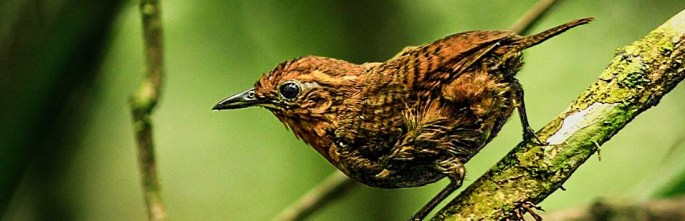
The Manu National Park is a protected natural space located in the southeast of Peru, located in the departments of Madre de Dios and Cusco, in the provinces of Manu and Paucartambo. With a territory of 1,532,806 hectares, it is divided into three large areas:
200 million years ago dinosaurs and pterosaurs were the dominant reptiles on the planet. They were part of the group of archosaurs, to which crocodiles and alligators also belong, who are considered close relatives of these gigantic prehistoric reptiles. INFORMATION OF MANU TOURS:
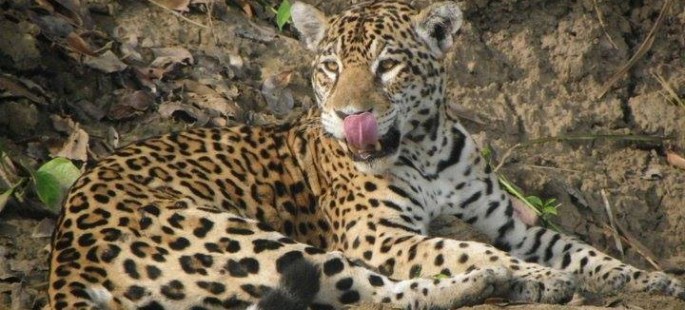
Among the natural wonders that the Manu National Park offers, a natural area protected by the State for 45 years and in 1987 declared a Natural World Heritage Site, its fauna stands out as one of its greatest exponents of otorongo or jaguar.
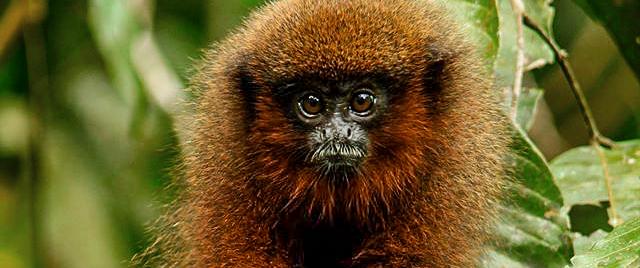
After an early breakfast we continue with our minibus: we pass the village of Pilcopata and cross the river of the same name to get to the small port of Atalaya (600 m). On the way we stop for some walks to observe birds also we stop an animal rescue station and to look for orchids. Before reaching Atalaya we enjoy
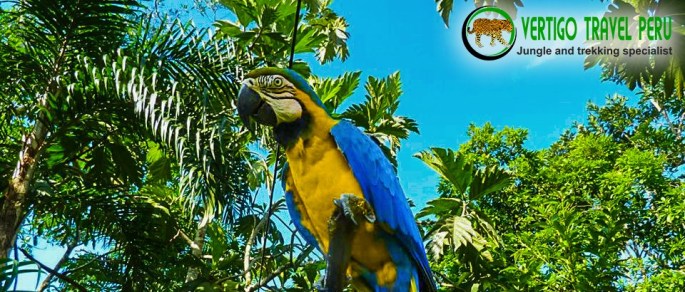
Also known as the blue-and-yellow macaw, yellow parrot, or yellow-billed paraba, is a species of psittaciform bird in the parrot family endemic to South America. MANU TOURS INFORMATION
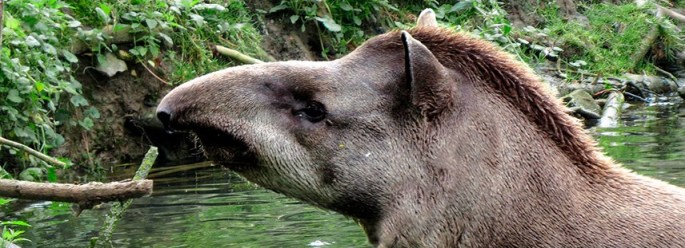
The Andean tapir, also called mountain tapir, danta or pinchaque, is the smallest and perhaps the least studied of the two species present in Peru. It is distributed in the montane and moor forests of Colombia,
The PNM is home to a large number of wildlife species. There have been about 160 species of mammals, more than 1,000 species of birds (mostly residents), about 140 species of amphibians, 50 species of snakes, 40 lizards, 6 turtles, 3 alligators and 210 fish
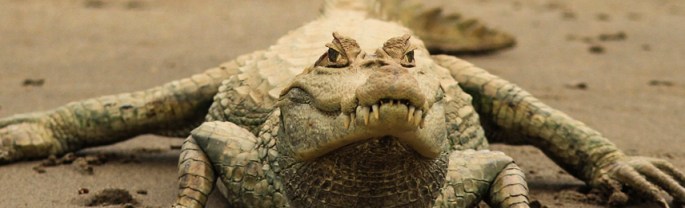
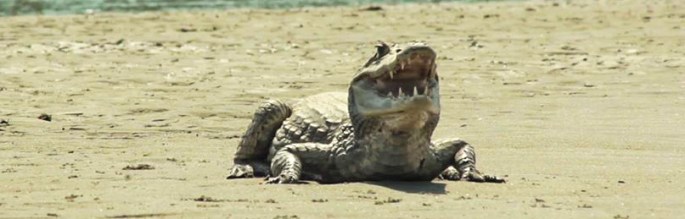
(Caiman Crocodilus) can be one of them, they usually sunbathe on the sand banks of the Manú River while some butterfly perches on their shoulders.
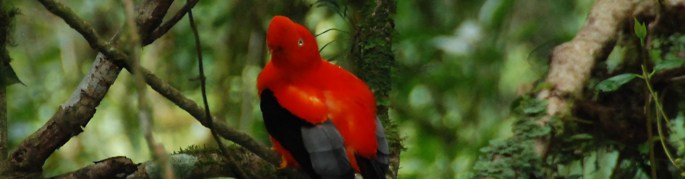
Biodiversity in the Manu National Park 1025 bird species (55% of the 1800 Peruvian bird species, and 10% of the world's birds). 221 species of mammals (43.5% of all Peruvian fauna), and 5% of the species worldwide (7 species are definitely endemic to the country). 150 amphibious species. 100 Reptile species
 vertigotravelperu.travel.blog